


What to do in Panama City? - 7 Things You Absolutely Can’t Miss in 2026
The Complete Guide for Smart Travelers
What to do in Panama City? - Panama City is one of Latin America’s most dynamic and misunderstood destinations. Too often, travelers see it as just a business hub or a quick layover spot. But look closer, and you’ll find a city of captivating contrasts: a glittering skyline that rivals Miami, a UNESCO World Heritage colonial district, and a dense tropical rainforest teeming with wildlife—all within a 20-minute drive of each other. This isn’t your average capital city. It’s a place where history, nature, and modernity collide in the most spectacular way. Forget what you think you know. This guide is your insider’s ticket to experiencing the real Panama City.
1. Visit the Panama Canal (The Smart Way)
The Panama Canal is an engineering marvel, and seeing it in person is a must. But many first-time visitors make the mistake of booking an expensive, unnecessary tour. Here’s how to do it yourself, save money, and have a better experience.
The best place to see the canal near the city is the Miraflores Visitor Center.
You Don’t Need a Tour: Let’s be clear: you can and should visit the Miraflores Visitor Center on your own. It's incredibly easy. A tour will often rush you and cost four times as much for no real added benefit.
Getting There is Easy: The most efficient way to get there from most central neighborhoods (like El Cangrejo, San Francisco, or even Casco Viejo) is by Uber or another ride-sharing app. It’s safe, reliable, and affordable—typically costing between $8 and $15. The ride takes about 20-30 minutes, depending on traffic.
The Best Time to See Ships: This is the most important tip. The giant ships pass through the locks during specific windows. To almost guarantee a sighting, plan your visit between 8:00 AM and 10:00 AM or from 2:30 PM to 5:00 PM. Arriving outside these times might mean staring at an empty canal.
Hours & Timing: The visitor center is typically open from 8:00 AM to 5:00 PM. Plan to spend about 2 to 2.5 hours here. This gives you enough time to watch a ship or two cross, explore the museum, and watch the short 3D film.
What to Expect: Inside, you'll find multiple observation decks (the 4th floor is the best), a four-story museum explaining the canal's history, construction, and biodiversity, and a well-produced movie.
Local Tip: To avoid the biggest crowds, go on a weekday morning. The tour buses tend to arrive around 10 AM, so if you get there closer to 9 AM, you’ll have a more relaxed experience.
2. Get Lost in Casco Viejo (The Old Quarter)
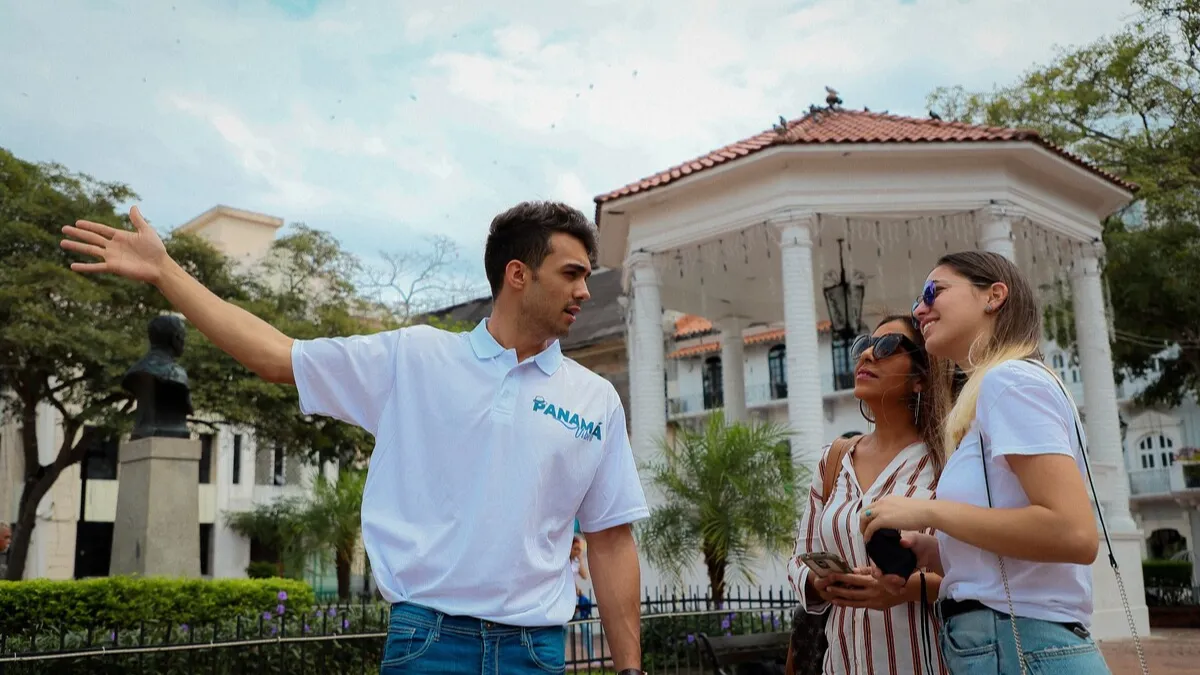
Casco Viejo is the historic soul of Panama City. This UNESCO World Heritage site is a vibrant maze of cobblestone streets, colonial-era buildings, boutique hotels, and some of the best restaurants and rooftop bars in the country.
The Vibe: Expect a mix of beautifully restored Spanish architecture alongside atmospheric, crumbling ruins. It's a photographer's dream. The best streets for a walk are Avenida A, Avenida B, and the pedestrian-only walkway around Plaza de Francia, which offers stunning views of the modern skyline.
Cafes, Rooftops & Plazas: For great coffee, check out Café Unido or Dodo. For sunset cocktails with a view, you can’t beat rooftops like Lazotea or Tantalo. The main squares—Plaza de la Independencia (Cathedral Plaza) and Plaza de Francia—are perfect for people-watching.
Safety and Best Times: Casco Viejo is very safe to walk around during the day and is lively at night. However, the streets bordering Casco can be sketchy. It's wise to stay within the main tourist area, especially after dark.
Day vs. Night: Visit during the late afternoon (around 4 PM) to enjoy the golden light for photos, then stay as the sun sets and the neighborhood's energy transforms for the evening.
The Panama Canal Museum: Located in a beautiful building on the main plaza, this museum is highly recommended and is separate from the one at Miraflores. It focuses on the human story: the immense sacrifice, political struggles, and social impact of the canal's construction. It’s well worth a 90-minute visit.
Time Commitment: Plan for at least half a day here, but you could easily spend a full day and evening.
3. Discover Gamboa & the Rainforest
Just 45 minutes from the city, you enter a different world. The Gamboa region is where the Chagres River meets the Panama Canal, surrounded by lush rainforest. This is your chance to see incredible wildlife while cruising alongside giant container ships.
The Monkey Island Experience: The star attraction is the boat tour to "Monkey Island" (it's actually a series of small islands in Gatun Lake). You'll get up close with capuchin, howler, and tamarin monkeys, who are known to curiously approach the boats. You may also spot sloths, crocodiles, and countless tropical birds.
Is a Tour Worth It? Yes. Unlike the Canal Visitor Center, this is an activity where a tour is highly recommended. Organizing your own transport to Gamboa and then trying to hire a boat on the spot is complicated and often more expensive. A good tour handles all logistics, provides a knowledgeable guide, and makes the experience seamless.
What to Expect: The air is thick, hot, and humid. You’re in a real rainforest. Wear light, breathable clothing, a hat, and sunglasses. Don’t forget sunscreen and powerful insect repellent.
A Unique Perspective: One of the coolest parts of the tour is boating through the Canal's shipping lanes. The contrast of your small boat against the backdrop of a massive Neopanamax vessel is unforgettable.
4. Hike in Soberanía National Park
For nature lovers, Soberanía National Park is paradise found. It’s home to the world-famous Pipeline Road, a wide, mostly flat trail that holds records for bird diversity.
Incredible Biodiversity: This is one of the most accessible birdwatching spots on the planet. You can spot toucans, trogons, and hundreds of other species. But it's not just for birds—sloths, monkeys, agoutis, and coatis are commonly seen.
Easy Hiking: You don't need to be an expert hiker. Many trails, especially Pipeline Road, are flat and easy to walk. It’s more of a nature walk than a strenuous trek.
When to Go & What to Bring: The best time for wildlife viewing is early in the morning (just after sunrise). Animals are most active before the day heats up. Bring at least 1-2 liters of water per person, strong insect repellent, and wear comfortable walking shoes.
Guide vs. No Guide:
- Without a Guide: You can easily and safely walk Pipeline Road on your own and enjoy the sounds of the jungle.
- With a Guide: You will see 10 times more wildlife. A trained guide has eagle eyes and can spot a sloth high in a tree or a well-camouflaged bird that you would walk right past. If your goal is to see animals, hiring a guide is absolutely worth it.
5. Escape to the San Blas Islands (The Honest Truth)
A trip to the San Blas Islands is an escape to a different reality. This autonomous territory of the Guna people consists of 365 pristine, white-sand islands in the turquoise Caribbean Sea. It is breathtakingly beautiful, but it requires a very specific mindset.
Our Honest Recommendation: While many suggest staying overnight, we generally advise against it for most travelers. The area significantly lacks modern infrastructure. Accommodations are extremely rustic (often sand floors and no fans), and the lack of basic amenities can overshadow the natural beauty. A well-organized day trip is usually the best way to experience the islands without sacrificing comfort.
The Journey (Be Prepared):
- • Early Start: Tours pick you up between 5:00 AM and 5:30 AM.
- • The 4x4 Ride: A 2.5 to 3-hour journey through a very windy, hilly road.
- • The Boat: A 30-45 minute ride on a motorboat (lancha) to reach your island.
Essential Tips for a Day Trip:
- Bring Cash: There are no ATMs. Bring USD for entrance fees, drinks, or souvenirs.
- Forced Detox: Expect little to no phone signal or Wi-Fi throughout the day.
- Pack Light: You only need swimwear, a towel, high-SPF sunscreen, and a waterproof bag for your phone.
Who Is It For? San Blas is for the traveler who prioritizes seeing one of the most beautiful archipelagos in the world over having a "relaxing" travel day. It is an adventure, not a luxury beach day.
6. Walk or Bike the Amador Causeway
This man-made causeway connects four small islands using rock excavated during the construction of the Panama Canal. It's a favorite spot for locals and visitors alike for its recreational space and phenomenal views.
The Main Draw: The Amador Causeway offers the absolute best panoramic views of Panama City's skyline. It’s also a great place to watch ships entering and exiting the canal.
Best Time to Visit: The late afternoon is the perfect time. The midday sun can be brutal. Go around 4 PM to walk or bike, enjoy the breeze, and then watch the sunset and see the city lights sparkle to life. Weekdays are much quieter than crowded weekends.
What to Do: Renting a bike (from single bikes to multi-person surreys) is the most popular activity. There are also plenty of casual restaurants, cafes, and ice cream shops. The colorful Biomuseo, designed by Frank Gehry, is at the start of the causeway and is worth a photo stop, even if you don't go inside.
Safety: The causeway is very safe, with dedicated lanes for walking and cycling. It’s a family-friendly destination. You can easily combine it with a visit to Casco Viejo or the Biomuseo.
7. Experience Panama City’s Diverse Food Scene
Panama's cuisine is a flavorful blend of Spanish, African, and Indigenous influences. The city offers everything from humble, delicious street food to world-class fine dining.
Must-Try Traditional Dishes:
- • Sancocho: A hearty chicken and root vegetable soup, considered the national dish.
- • Ropa Vieja: Shredded beef in a savory tomato-based sauce, served with rice.
- • Ceviche: The freshest is found at the Mercado de Mariscos (Fish Market).
- • Carimañolas: Delicious fried yuca fritters stuffed with seasoned meat.
Recommended Neighborhoods:
- Casco Viejo: Best for trendy, high-end restaurants and rooftop bars.
- El Cangrejo: Great mix of authentic, mid-range restaurants and local eateries.
- San Francisco: Modern and upscale area with innovative fusion and food trucks.
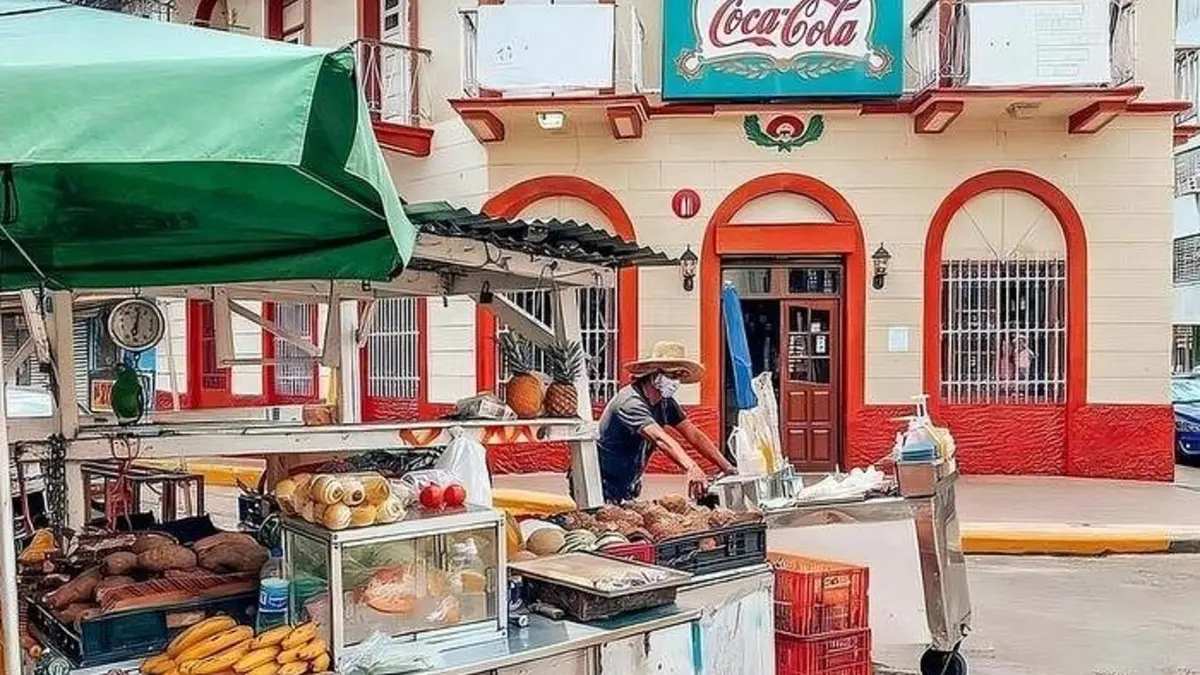
Local vs. Tourist Spots: Don’t be afraid to try a "fonda"—a small, family-run eatery serving a fixed-price lunch (menú ejecutivo). This is the most authentic and affordable way to eat like a local.
Tipping: A 10% tip is standard in most sit-down restaurants but is not usually included in the bill. Always check your "factura" before paying.
Final Pro-Tips for First-Time Visitors
Climate: Panama is hot and humid year-round. There are two main seasons: the Dry Season (December to April) is sunny and breezy, while the Wet Season (May to November) brings afternoon rain showers (which are often short and intense).
Transportation: Uber and other ride-sharing apps are the easiest, safest, and most popular way to get around the city. Yellow taxis are available, but always agree on the fare before you get in, as they don't use meters.
Safety: Use common sense as you would in any large city. Be aware of your surroundings, don't flash expensive jewelry or electronics, and stick to well-known areas at night.
Daily Budget Expectations:
| Traveler Type | Daily Budget |
|---|---|
| Budget (Hostels & Fondas) | $50 - $80 |
| Mid-Range (Hotels & Tours) | $100 - $180 |
| Luxury (Fine Dining & Private Guides) | $250+ |
Enjoy your trip to this incredible city!
Frequently Asked Questions (FAQ)
Is Panama City safe for tourists?
Yes, Panama City is generally very safe for travelers, especially in areas like Casco Viejo, San Francisco, and the Amador Causeway. As in any major city, we recommend using Uber for transportation at night and staying aware of your surroundings in crowded areas.
What is the best month to visit Panama?
The best time is during the Dry Season (December to April), when you’ll enjoy clear blue skies and a pleasant breeze. However, the Wet Season (May to November) is also great for lower prices and lush, green landscapes.
Do I need a tour to see the Panama Canal?
Not necessarily. You can easily visit the Miraflores Visitor Center on your own using Uber. However, for experiences like the Monkey Safari in Gatun Lake or hiking in Soberania Park, hiring a professional guide is highly recommended to ensure wildlife sightings and seamless logistics.
Can I use US Dollars in Panama?
Yes! Panama uses the US Dollar as its official currency (though they call it the Balboa). You don't need to exchange money if you are coming from the United States. Just be sure to bring small denominations for local shops and "fondas."
Is the tap water safe to drink in Panama City?
Yes, the tap water in Panama City and most major towns is perfectly safe to drink. In more remote areas like San Blas, we recommend sticking to bottled or filtered water.
Still have questions?
We are locals and we are here to help. Feel free to reach out to us for personalized advice or to book your next adventure in Panama.
Top Experiences in Panama City
Directly Operated • No Intermediaries • Best Price

Guided Jungle Adventure & Gatun Lake Cruise – Monkey Island

Legends of Casco Viejo Tour: Uncover Hidden Gems

Show Me The City! Panama Canal, Casco Viejo & Panama Sign Tour
